Are you currently hunting for advice about The Effects of Hard Water on Your Plumbing System?
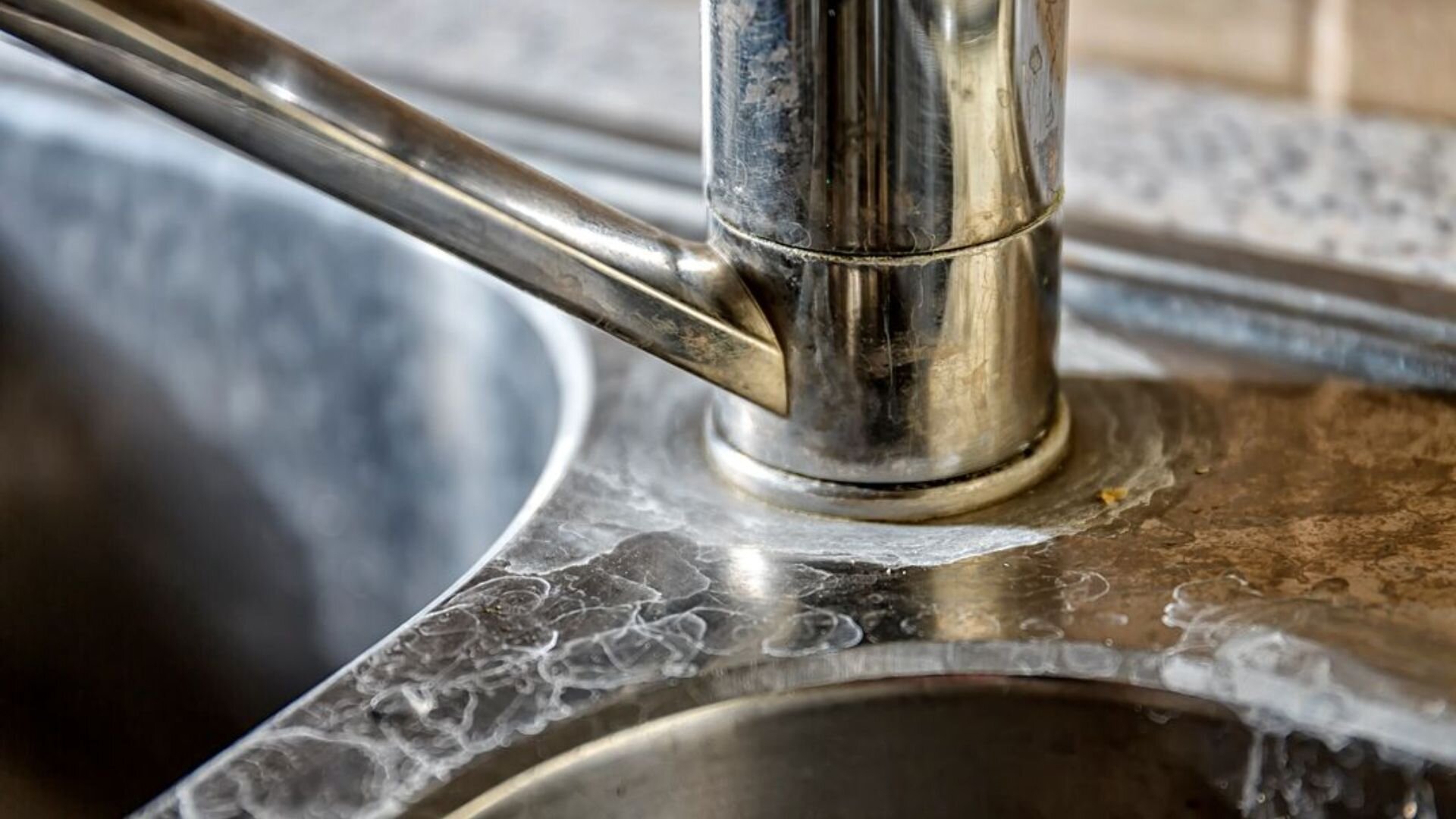
Hard water, a typical concern in lots of homes, can have substantial effect on plumbing systems. Comprehending these effects is important for preserving the durability and effectiveness of your pipes and fixtures.
Intro
Tough water is water that contains high levels of dissolved minerals, mostly calcium and magnesium. These minerals are harmless to human health and wellness but can ruin pipes framework over time. Let's explore how hard water affects pipes and what you can do about it.
Impacts on Piping
Tough water influences pipelines in several harmful means, largely via scale buildup, reduced water circulation, and raised deterioration.
Scale Build-up
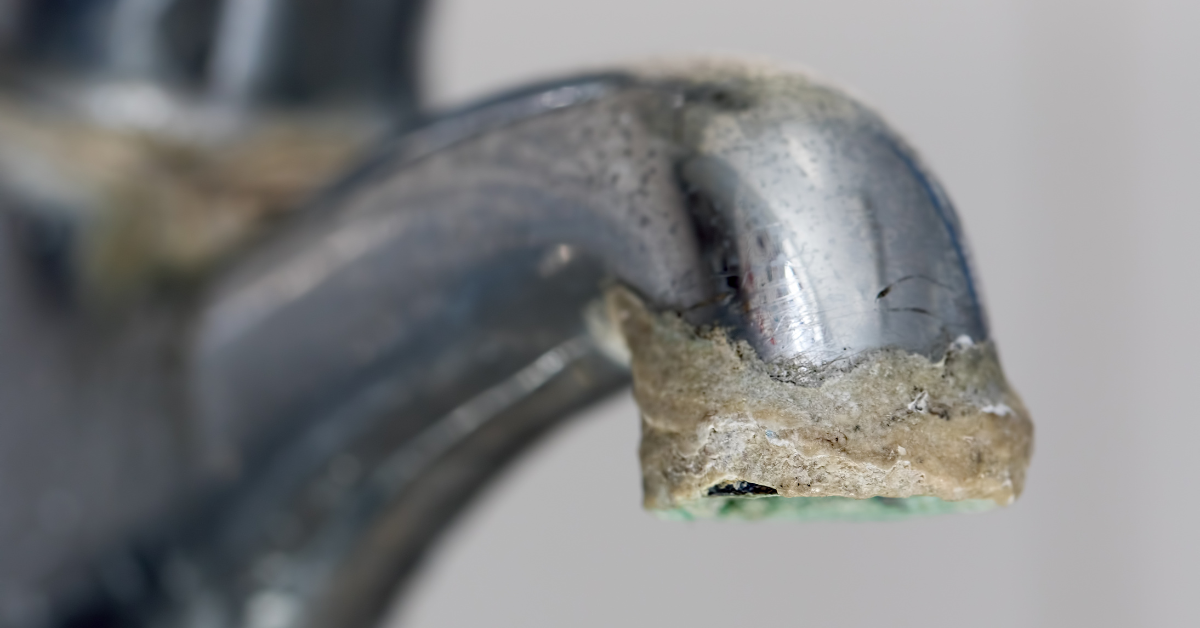
Among one of the most usual problems triggered by difficult water is range build-up inside pipes and fixtures. As water streams through the pipes system, minerals speed up out and stick to the pipeline walls. In time, this accumulation can tighten pipeline openings, resulting in decreased water circulation and raised stress on the system.
Decreased Water Flow
Mineral deposits from hard water can gradually minimize the size of pipelines, limiting water circulation to faucets, showers, and devices. This decreased flow not just impacts water stress yet also boosts power consumption as home appliances like water heaters must function more difficult to supply the very same quantity of warm water.
What is Hard Water?
Difficult water is identified by its mineral material, particularly calcium and magnesium ions. These minerals get in the water as it percolates with limestone and chalk down payments underground. When difficult water is heated or left to stand, it often tends to develop scale, a crusty accumulation that complies with surface areas and can cause a series of problems in plumbing systems.
Corrosion
While hard water minerals themselves do not cause rust, they can intensify existing corrosion issues in pipes. Range buildup can trap water versus metal surfaces, increasing the corrosion procedure and potentially resulting in leaks or pipeline failure with time.
Appliance Damage
Past pipelines, difficult water can also harm household home appliances connected to the water system. Appliances such as hot water heater, dish washers, and washing makers are particularly susceptible to scale buildup. This can lower their performance, increase upkeep costs, and shorten their life expectancy.
Prices of Hard Water
The financial implications of tough water prolong past pipes fixings to consist of enhanced energy expenses and premature appliance replacement.
Fixing Prices
Managing difficult water-related issues can be expensive, particularly if scale build-up results in pipe or home appliance failing. Routine maintenance and early detection of issues can aid alleviate these expenses.
Regular Maintenance
Regularly flushing the pipes system and evaluating for scale buildup can help avoid expensive repair services down the line. Periodic checks of appliances for signs of scale build-up are likewise vital.
Selecting the Right Fixtures
Selecting plumbing components and home appliances developed to hold up against hard water conditions can alleviate its effects. Try to find items with corrosion-resistant materials and easy-clean features to minimize maintenance demands.
Energy Effectiveness
Scale buildup lowers the effectiveness of water heaters and other home appliances, resulting in greater power consumption. By addressing hard water issues promptly, homeowners can enhance energy effectiveness and decrease utility costs.
Testing and Treatment
Evaluating for tough water and implementing appropriate therapy actions is vital to reducing its impacts on pipes and appliances.
Water Conditioners
Water conditioners are one of the most common solution for dealing with hard water. They function by trading calcium and magnesium ions with salt or potassium ions, successfully decreasing the firmness of the water.
Other Therapy Options
Along with water softeners, various other treatment options include magnetic water conditioners, reverse osmosis systems, and chemical additives. Each approach has its advantages and suitability relying on the extent of the hard water problem and family needs.
Safety nets
Protecting against tough water damages requires a combination of proactive maintenance and thoughtful fixture option.
Final thought
In conclusion, the effects of tough water on pipelines and appliances are significant yet workable with proper recognition and safety nets. By recognizing exactly how difficult water influences your plumbing system and taking aggressive steps to reduce its impacts, you can prolong the life of your pipes, enhance energy efficiency, and minimize maintenance costs in the future.
The Impact of Hard Water on Your Plumbing and How to Combat It
Many homeowners and business owners may not realize the silent battle their plumbing systems face against hard water. This common problem affects not only the longevity and performance of household appliances but also the quality of water. The minerals in hard water can accumulate inside pipes, fixtures, and tankless water heater, leading to inefficiencies and potential repairs.
The Science Behind Hard Water
Hard water is a common condition affecting many residential areas and industries around the world, distinguished by its high content of dissolved minerals, specifically calcium and magnesium. Understanding the science behind hard water is essential to comprehending its various effects on plumbing, appliances, and daily life.
What is Hard Water?
At its core, hard water is water that contains a high concentration of dissolved minerals. While it can contain various minerals, the primary components contributing to water hardness are calcium and magnesium ions. These minerals are harmless to human health; in fact, they contribute to the dietary intake of these essential elements. However, their presence in water at high concentrations leads to several water damage, particularly in household and industrial settings.
Why Does Hard Water Occur?
The hardness of water is primarily determined by the water's journey through the environment. As rainwater percolates through the soil and into aquifers, it naturally dissolves minerals from the rocks and sediment it encounters. The types of rocks and minerals present in a particular region significantly influence the hardness of the local water supply.
Geographical Variance in Water Hardness
Water hardness varies significantly from one geographical location to another, primarily due to the geological composition of the land. Regions with extensive limestone and dolomite deposits tend to have harder water because these minerals easily dissolve into the water supply. Conversely, areas with granite or other less soluble rock formations typically have softer water.
Economic Implications of Hard Water
The presence of hard water in a bathroom, kitchen or industrial setting extends beyond mere inconvenience; it harbors significant economic implications that can affect the bottom line of homeowners and businesses alike. From increased energy bills to the premature need for appliance replacement, the hidden costs of hard water can accumulate, making it an issue worth addressing.
Increased Energy Bills
One of the most immediate economic impacts of hard water is the increase in energy consumption and, consequently, higher energy bills. When water contains high levels of minerals like calcium and magnesium, it leads to the formation of scale within pipes and on heating elements. This scale acts as an insulator, reducing the efficiency of a water heaters by forcing them to use more energy to reach your desired temperature for a hot water.
Frequent Repairs and Maintenance
Hard water also necessitates more frequent Boise plumbing services. The buildup of scale within pipes and fixtures can lead to clogged drains and low water pressure, requiring a repair to restore proper function. Similarly, appliances such as washing machines, dishwashers, and water heaters suffer from the effects of mineral buildup, leading to malfunctions that demand repairs or parts replacement. These maintenance activities and repairs represent ongoing costs that can add up over time, making hard water an expensive proposition for those affected.
Early Appliance Replacement
Perhaps one of the most significant economic implications of hard water is the shortened lifespan of household appliances. Appliances that frequently come into contact with hard water, such as tankless water heaters, washing machines, and dishwashers, are prone to scale buildup and the subsequent stress it places on their components.
This not only leads to a decrease in efficiency but also accelerates wear and tear, culminating in the need for premature replacement. The cost of replacing these appliances is substantial, representing a significant investment that homeowners must face more frequently than those with soft water systems.
Additional Costs
Beyond the direct costs associated with increased energy consumption, repairs, and appliance replacement, there are additional economic implications to consider. The inefficiency in soap and detergent usage, for instance, results from hard water's reaction with soap to form scum, requiring more product to achieve the desired cleaning effect.
Furthermore, the impact on textiles and clothing can lead to faster degradation of fabrics, necessitating more frequent replacements. These indirect costs, while less obvious, contribute to the overall economic burden of hard water on households.
https://www.veteransplumbingcorp.com/the-impact-of-hard-water-on-your-plumbing-and-how-to-combat-it
I hope you enjoyed reading our excerpt about Hard Water Effects on Plumbing and Solutions. Thanks so much for taking a few minutes to read our piece of content. If you enjoyed our post plz remember to pass it around. We recognize the value of your readership.
Schedule Today